Safety checks and support for intermittent fasting
Meal timing can affect blood sugar, blood pressure, medication tolerance and the ability to meet nutritional needs. A fasting plan should be modified or avoided when its risks outweigh its convenience. Before changing meal timing, check how the schedule affects training, sleep and any glucose-lowering medicine.
Who should get medical guidance first
People who take glucose-lowering drugs, insulin, blood-pressure medicines or medications that must be taken with food should discuss fasting with a clinician or pharmacist before changing meal times. Medication doses should not be adjusted without qualified guidance.
Fasting is generally inappropriate during pregnancy or breastfeeding, for children and adolescents unless medically supervised, and for people with a current or previous eating disorder. Frail older adults, underweight people and those with significant kidney, liver or other chronic disease also need individualized assessment.
- Diabetes or a history of low blood sugar
- Pregnancy, breastfeeding or attempts to restore regular menstrual cycles
- A current or past restrictive, binge-eating or purging disorder
- Medications linked to meals, glucose, fluid balance or blood pressure
- Recent surgery, acute illness, undernutrition or unexplained weight loss
Expected hunger versus warning signs
Mild hunger near a usual mealtime can occur while adapting to a new schedule. Severe or persistent symptoms should not be treated as proof that fasting is working.
End the fast and address immediate safety if you become faint, confused, markedly weak or unable to perform routine tasks. People at risk of abnormal blood sugar should follow their clinician's monitoring and treatment instructions.
- Seek urgent help for loss of consciousness, chest pain, severe confusion or other emergency symptoms.
- Stop fasting for repeated dizziness, shaking, vomiting or heart palpitations.
- Reconsider the plan if it causes binge eating, food obsession or intense anxiety.
- Arrange medical evaluation for persistent fatigue, recurrent headaches or unexplained menstrual changes.
Recommended Products
Practical fasting support without a product
The most useful fasting companion may be a simple meal-timing log. Record when the fast starts and ends, what prompts unplanned eating and whether the schedule affects mood, sleep or performance.
Social support also matters. Tell household members what window you are testing, but avoid turning shared meals into a contest over who can fast longest.
- Use phone reminders for meal-window boundaries rather than constant countdowns.
- Prepare the next meal before the fasting period becomes difficult.
- Move the eating window for travel, shift work or important social events.
- Keep a regular sleep schedule because sleep loss can increase appetite.
- Schedule a dietitian visit if the window makes adequate nutrition difficult.
Hydration, caffeine and electrolytes
Water is appropriate for most short daily fasts, but fluid requirements rise with heat, altitude, fever and prolonged exercise. People with heart or kidney conditions may have prescribed fluid or electrolyte limits and should not follow generic hydration targets.
Unsweetened coffee and tea are commonly consumed during fasting, but caffeine can cause tremor, rapid heartbeat, reflux and insomnia. Electrolyte products may contain sugar, sweeteners or substantial sodium, so the ingredient panel matters more than the word “fasting” on the front. Fasting schedules are only useful when they make eating easier to manage without leading to extreme evening hunger.
- Use thirst, urine concentration and activity conditions as practical hydration cues.
- Avoid excessive water intake, which can also be dangerous.
- Check serving size, sodium, carbohydrate and stimulant content.
- Reduce or move caffeine earlier if sleep quality declines.
Supplements for Intermittent Fasting

LivPure
LivPure brings together silymarin, berberine, betaine and choline in a formula aimed at liver wellness, energy metabolism and cellular antioxidant defense. Choline and betaine support normal lipid metabolism, giving LivPure a liver-centered approach to weight-management wellness. For intermittent fasting, the ingredients emphasize liver nutrient processing; any timing decisions should follow the current serving directions.

Ikaria Juice
The Ikaria Juice drink mix contains turmeric, milk thistle, green-tea extract and fruit polyphenols, plus fiber and probiotics for gut balance. Its digestive blend supports beneficial gut organisms and regularity, alongside antioxidant-rich extracts from berries and green tea. With intermittent fasting, prebiotic fiber and probiotics focus on digestion as meal timing and fiber intake shift.

Metabo Drops
Metabo Drops concentrates on metabolic wellness and steady daytime energy, using chlorogenic acid, green tea, chromium and L-carnitine in a tasteless coffee additive. Green tea and chlorogenic acid supply plant polyphenols, while chromium and L-carnitine give the formula its nutrient-metabolism focus. During intermittent fasting, the drink’s complete calorie and sweetener information determines whether it belongs in the eating window.
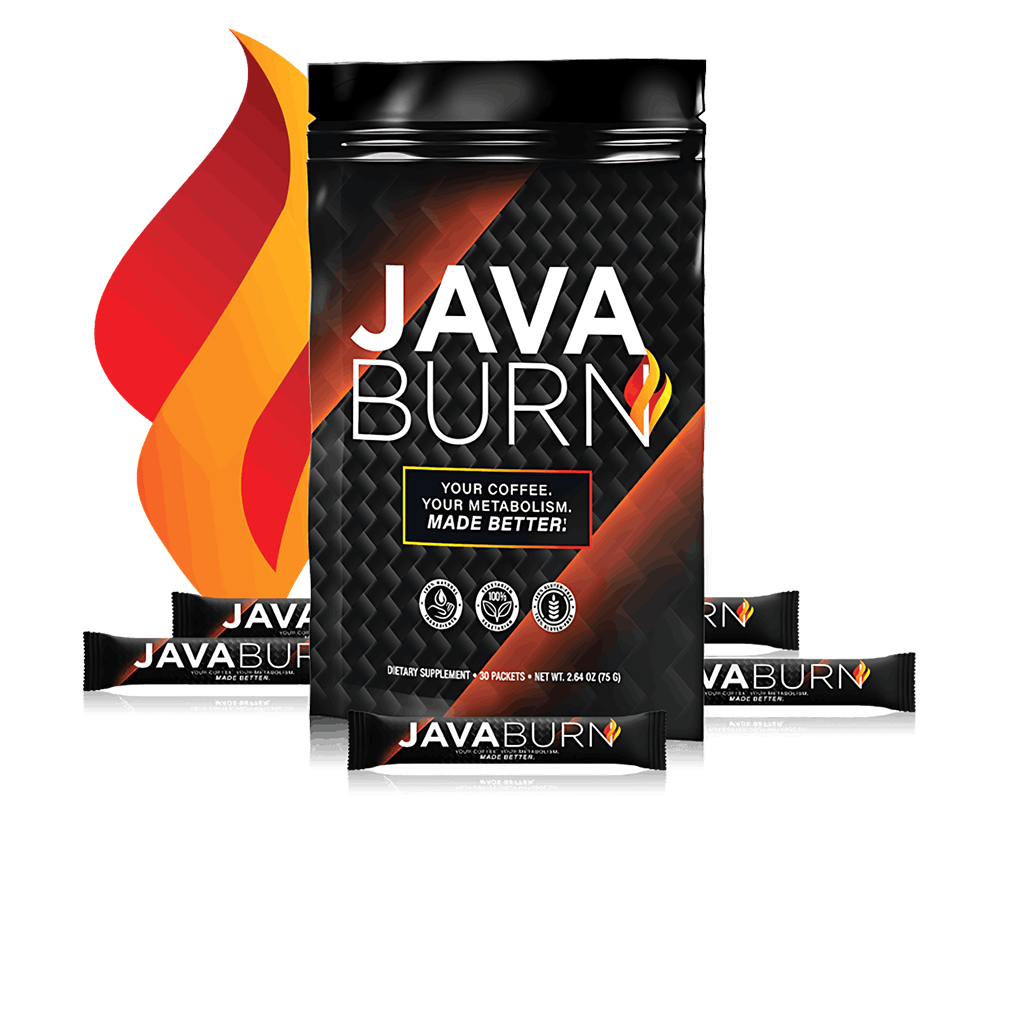
Java Burn
The Java Burn coffee formula brings together green tea, green coffee bean extract, chromium, L-carnitine and L-theanine to support everyday metabolic function and alertness. L-carnitine participates in fatty-acid transport, while L-theanine is intended to complement coffee alertness with a calmer focus. During intermittent fasting, the drink’s complete calorie and sweetener information determines whether it belongs in the eating window.

Nagano Tonic
Nagano Tonic is a powdered drink mix made with botanicals and nutrients including camu camu, green-tea EGCG, mangosteen, ginger and inulin. Its formula is promoted for daily metabolic, energy and digestive support; it is not a substitute for balanced nutrition or medical care. When comparing options alongside intermittent fasting, review the ingredient label and seller terms before ordering.
Frequently Asked Questions
Possibly, but only with individualized clinical planning when medication or hypoglycemia is a concern. Fasting can change glucose patterns and may require monitoring or medication adjustments directed by a clinician.
A headache can follow changes in caffeine, hydration or meal timing, but persistent or severe pain should not be ignored. End the fast and seek medical advice when symptoms are significant or recurrent.
Stop narrowing the eating window. Recurrent bingeing, compensatory restriction or distress around food warrants support from a clinician experienced in eating disorders.