How to choose and test an intermittent fasting schedule
A useful fasting formula is a repeatable schedule, not a special supplement or rigid mathematical rule. The best starting plan leaves enough time to eat complete meals and does not interfere with sleep, work or exercise. A shorter eating window still needs room for adequate protein, fluids and prescribed medicines that must be taken with food.
Compare the main scheduling options
Daily time-restricted eating is generally easier to organize than full fasting days because food is available every day. Earlier windows may fit human sleep-wake patterns, but a schedule that excludes every family dinner may not be sustainable.
More restrictive plans require more planning and are not automatically better. People new to fasting should generally test a short overnight approach before attempting reduced-intake days. A shorter eating window still needs room for adequate protein, fluids and prescribed medicines that must be taken with food.
- 12:12: a gentle entry point that mainly limits late-night eating.
- 14:10: a moderate step that can still accommodate three meals.
- 16:8: a narrower window that may require two meals plus a planned snack.
- 5:2: a weekly pattern requiring careful planning on reduced-intake days.
- Alternate-day fasting: a high-burden option that may complicate exercise, medication and social routines.
Build your personal fasting formula
Work backward from nonnegotiable events such as medication times, morning training, shift changes and shared meals. Pick a window that can remain similar on most days rather than forcing an idealized schedule that lasts only a week.
Use a two-week trial to assess the schedule. Keep the rest of your routine reasonably stable so you can distinguish the effects of meal timing from major changes in caffeine, exercise or calories.
- Choose a starting and ending time for the eating window.
- Identify two or three balanced meals that fit inside it.
- Decide in advance how weekends and social events will be handled.
- Track hunger, mood, sleep, digestion and workout quality.
- Widen or abandon the window if the pattern is consistently disruptive.
Example for an early workday
Someone who wakes at 6 a.m. and prefers breakfast might eat from 8 a.m. to 6 p.m. Someone who values a later family dinner might instead use a 10 a.m. to 8 p.m. window. Neither window is universally superior.
Recommended Products
Plan meals that hold up through the fast
Breaking a fast with an enormous meal can produce discomfort and make intake difficult to regulate. A normal-sized meal containing protein and fiber is a more practical choice.
For the last meal before a fast, combine protein with high-fiber carbohydrates, vegetables and a source of fat. Salty ultra-processed meals and alcohol may worsen thirst or sleep, while very low-calorie eating can leave the plan nutritionally inadequate.
- Protein options include eggs, fish, poultry, yogurt, tofu, beans and lentils.
- Fiber sources include vegetables, fruit, oats, beans and whole grains.
- Unsaturated fat sources include nuts, seeds, avocado and olive oil.
- Water needs vary with body size, climate, exercise, diet and medical conditions.
Adjust fasting around exercise
Easy activity may feel comfortable while fasted, but demanding endurance or strength sessions can be harder without recent fuel. Performance goals, rather than fasting purity, should determine workout timing.
Schedule intense sessions near the eating window when possible so fluids, carbohydrates and protein can be consumed afterward. Persistent weakness, declining performance or unusually slow recovery are reasons to shorten the fast and review total intake.
- Test fasted exercise with a familiar, low-intensity session first.
- Avoid experimenting with a long fast during a race or demanding event.
- Account for fluids and electrolytes lost through heavy sweating.
- Do not use caffeine to conceal significant under-fueling.
Supplements for Intermittent Fasting

LivPure
LivPure combines milk-thistle silymarin, betaine, berberine and glutathione with green-tea compounds to support normal liver function and fat metabolism. Silymarin and glutathione contribute antioxidant support, while betaine and choline are involved in normal liver fat processing. For intermittent fasting, the ingredients emphasize liver nutrient processing; any timing decisions should follow the current serving directions.

Ikaria Juice
Ikaria Juice approaches weight-management wellness through botanical antioxidants, citrus pectin and an inulin-and-probiotic digestive blend. Inulin helps nourish beneficial gut bacteria; the fruit and green-tea extracts add an antioxidant-focused complement. With intermittent fasting, prebiotic fiber and probiotics focus on digestion as meal timing and fiber intake shift.

Metabo Drops
Metabo Drops is a coffee-mix formula combining chromium for normal macronutrient metabolism with chlorogenic acid, green tea, L-carnitine and L-theanine. The coffee-mix approach aims to support metabolic efficiency and steady daytime energy, with L-theanine helping balance alertness. During intermittent fasting, the drink’s complete calorie and sweetener information determines whether it belongs in the eating window.
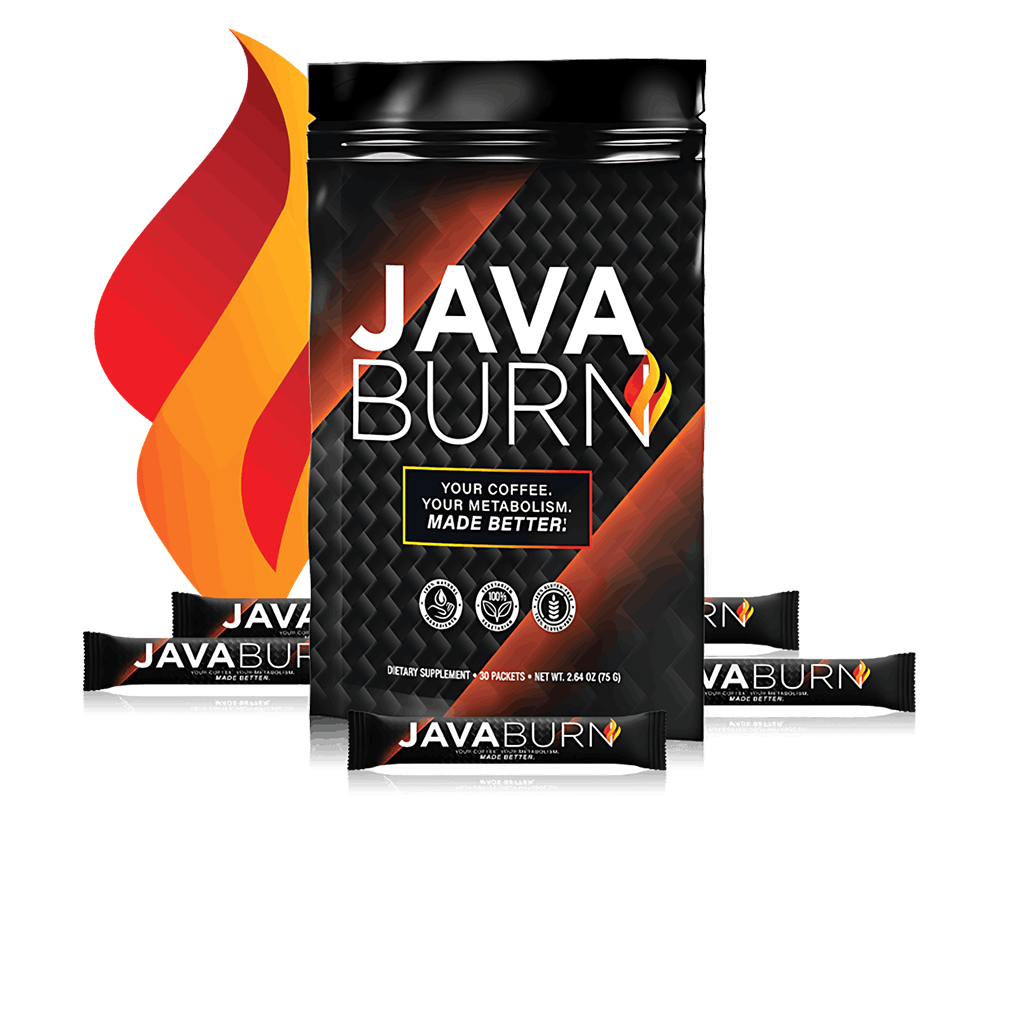
Java Burn
The Java Burn coffee formula brings together green tea, green coffee bean extract, chromium, L-carnitine and L-theanine to support everyday metabolic function and alertness. Chromium and B vitamins contribute to normal nutrient and energy metabolism; the green-tea and green-coffee extracts add polyphenols. During intermittent fasting, the drink’s complete calorie and sweetener information determines whether it belongs in the eating window.

Nagano Tonic
Nagano Tonic is a powdered drink mix made with botanicals and nutrients including camu camu, green-tea EGCG, mangosteen, ginger and inulin. Its formula is promoted for daily metabolic, energy and digestive support; it is not a substitute for balanced nutrition or medical care. When comparing options alongside intermittent fasting, review the ingredient label and seller terms before ordering.
Frequently Asked Questions
Not for everyone. A 16:8 window is more restrictive, but a 12:12 plan may be easier to sustain and can still reduce habitual late-night eating.
Choose based on sleep, work, hunger, medication and social routines. Skipping dinner may suit an early schedule, while delaying breakfast may be more practical for others.
Begin with a schedule you can tolerate and change it by one or two hours after several stable days. There is no need to rush toward a longer fast.