Intermittent fasting explained without the shortcuts or hype
Intermittent fasting changes when you eat rather than prescribing a specific menu. It can simplify meal timing and may help some adults manage calorie intake, but the schedule still needs to provide adequate nutrition and fit their health needs. A shorter eating window still needs room for adequate protein, fluids and prescribed medicines that must be taken with food.
What intermittent fasting actually means
Intermittent fasting alternates planned periods of eating and not eating. Common versions include a daily eating window, such as 12:12 or 16:8, and occasional low-intake or no-intake days.
The clock does not cancel out food quality or portion size. Weight change still depends substantially on total energy intake, while protein, fiber, produce and dietary variety affect fullness and nutritional adequacy.
- A 12:12 plan allows 12 hours for eating and 12 hours without caloric food or drinks.
- A 14:10 or 16:8 plan shortens the daily eating window without requiring a full fasting day.
- A 5:2 pattern uses five usual eating days and two nonconsecutive reduced-intake days.
- Alternate-day approaches are more demanding and can be harder to sustain.
There is no universal best schedule
A workable plan should match sleep, work, exercise, medication and family-meal routines. A modest schedule followed consistently is usually more practical than an aggressive schedule that triggers fatigue or rebound eating.
The so-called fasting switch is gradual
The phrase “fasting switch” suggests that the body suddenly changes modes at a precise hour. In reality, insulin levels, stored carbohydrate use and reliance on fat shift along a continuum influenced by the previous meal, activity, sleep and individual physiology.
A longer fast is not automatically more effective. Extending a fast can increase hunger, headaches, dehydration risk or difficulty meeting nutrient needs without guaranteeing greater fat loss.
- Do not treat a particular fasting hour as a metabolic finish line.
- Judge a schedule by adherence, energy, sleep, training performance and overall food intake.
- Be skeptical of products claiming to activate a precise biological switch without relevant human evidence.
Supplements for Intermittent Fasting

LivPure
LivPure combines milk-thistle silymarin, betaine, berberine and glutathione with green-tea compounds to support normal liver function and fat metabolism. The blend emphasizes a healthy liver environment for processing fats and nutrients, with green-tea polyphenols contributing additional plant antioxidants. For intermittent fasting, the ingredients emphasize liver nutrient processing; any timing decisions should follow the current serving directions.

Ikaria Juice
Ikaria Lean Belly Juice brings together plant antioxidants from green tea, berries and beetroot with prebiotic inulin and probiotic cultures for digestive wellness. The combination of probiotic cultures, prebiotic fiber and botanical polyphenols targets gut comfort and everyday metabolic health. With intermittent fasting, prebiotic fiber and probiotics focus on digestion as meal timing and fiber intake shift.

Metabo Drops
The Metabo Drops liquid blends green-tea compounds and coffee-derived chlorogenic acid with L-carnitine, chromium and calming-focus L-theanine. Its chromium and chlorogenic-acid combination targets everyday carbohydrate metabolism, while L-carnitine relates to cellular energy production. During intermittent fasting, the drink’s complete calorie and sweetener information determines whether it belongs in the eating window.
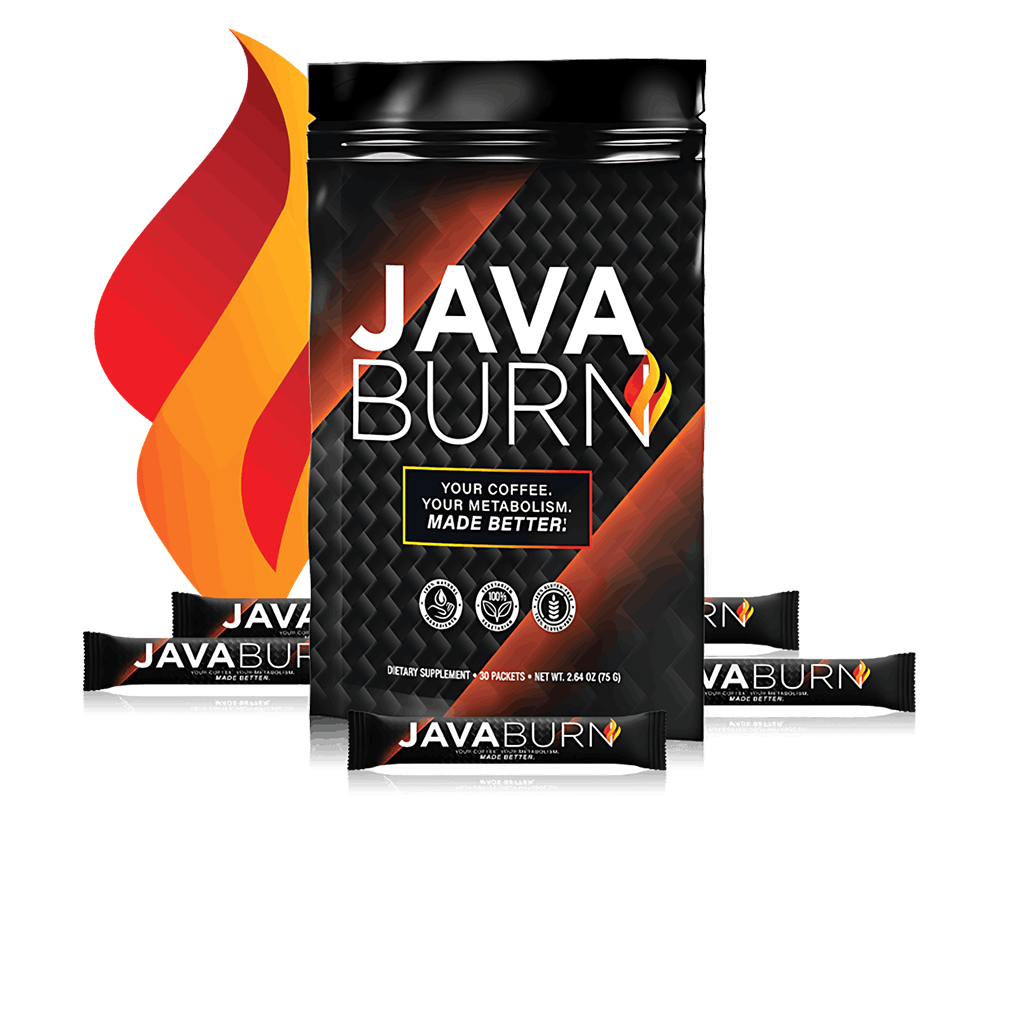
Java Burn
Java Burn uses a coffee-mix format to deliver green tea, chlorogenic acid, L-carnitine, chromium and vitamins B6 and B12 for nutritional metabolism and energy. Chromium and B vitamins contribute to normal nutrient and energy metabolism; the green-tea and green-coffee extracts add polyphenols. During intermittent fasting, the drink’s complete calorie and sweetener information determines whether it belongs in the eating window.
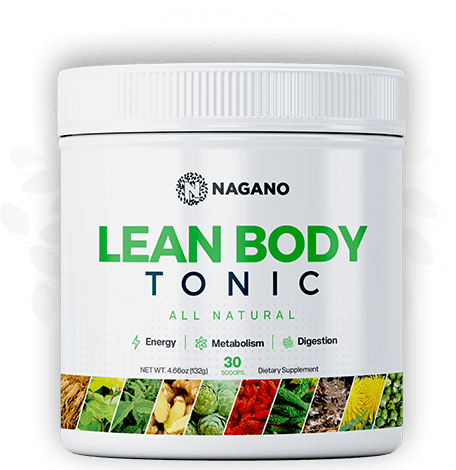
Nagano Tonic
Nagano Tonic is a powdered drink mix made with botanicals and nutrients including camu camu, green-tea EGCG, mangosteen, ginger and inulin. Its formula is promoted for daily metabolic, energy and digestive support; it is not a substitute for balanced nutrition or medical care. When comparing options alongside intermittent fasting, review the ingredient label and seller terms before ordering.
What fasting may and may not accomplish
Some people lose weight with time-restricted eating because fewer eating opportunities make a calorie deficit easier. Others compensate with larger meals or find that the restrictions worsen cravings, so results vary.
Intermittent fasting is not a detoxification treatment. The liver and kidneys continuously process and eliminate many waste products; commercial “detox” language does not demonstrate improved organ function.
- Possible practical benefit: fewer decisions about snacks and late-night eating.
- Common limitation: social meals and rotating work schedules can disrupt the plan.
- Not guaranteed: weight loss, better energy or improved blood sugar.
- Still necessary: nutritionally complete meals and appropriate medical care.
A low-friction way to begin
Start by recording meal and snack times for three typical days. Then establish a consistent 12-hour overnight fast, such as finishing at 7:30 p.m. and eating breakfast at 7:30 a.m., before considering a narrower window.
During the eating window, build meals around protein, vegetables or fruit, fiber-rich carbohydrates and unsaturated fats. During a typical fast, water and unsweetened beverages are common choices, although caffeine can cause jitters, reflux or sleep disruption. Before changing meal timing, check how the schedule affects training, sleep and any glucose-lowering medicine.
- Change the schedule by one or two hours at a time.
- Keep fluids available throughout the day.
- Plan the first meal before hunger peaks.
- Stop and reassess if fasting repeatedly causes dizziness, faintness, binge eating or impaired concentration.
Frequently Asked Questions
Yes. An overnight fasting period includes the hours spent asleep, which is why a 12-hour schedule can be a manageable starting point.
Plain coffee contains very few calories and is commonly used during fasting, but added sugar, cream, protein powders and caloric mixes change the nutritional exposure. Coffee can also aggravate anxiety, reflux or poor sleep. Add up caffeine from drinks and other products to avoid unintentional overlap.
Not necessarily. Timing may reduce eating opportunities, but total intake, food quality, activity and adherence remain important.